A heat pump can heat and cool a Denver home, but that does not mean every model will perform well in every house. Colorado's winter temperatures, older ductwork, limited electrical capacity, and the cost of upgrading existing equipment can all affect whether a heat pump is the right investment. Choosing the wrong system can leave you relying on backup heat more often than expected or paying for modifications you did not budget for.
For many Denver homeowners, a properly sized cold-climate heat pump is a practical option for year-round comfort. However, a heat pump may not be the best standalone heating system when the available equipment cannot economically meet the home's calculated heating demand at low outdoor temperatures, the electrical or ductwork upgrades are too expensive, or an existing gas furnace still has years of useful life. In those situations, a dual-fuel system, ductless heat pump, or another configuration may make more sense depending on the constraint.
The key is evaluating the home and equipment together. Here is when a heat pump works well in Denver, when it may not, and what to check before committing to an installation.
How Heat Pumps Handle Denver's Winter Weather
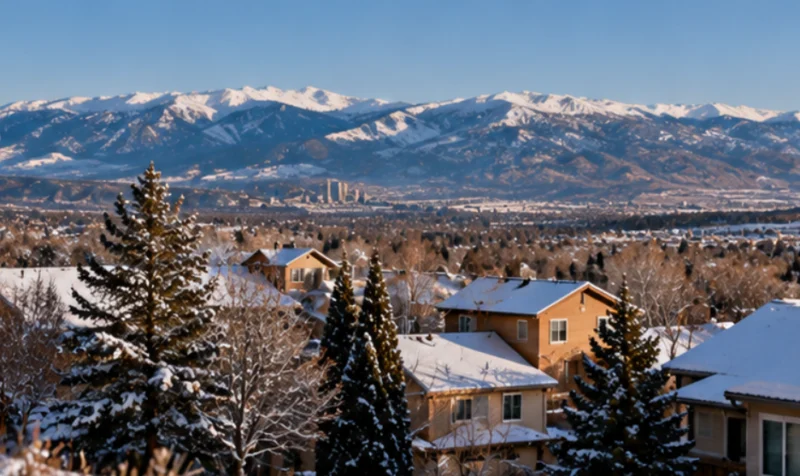
A heat pump transfers heat rather than generating it by burning fuel. During winter, it extracts heat from outdoor air and moves it indoors. In summer, the process reverses, allowing the same equipment to cool your home.
Modern cold-climate heat pumps can continue providing heat at outdoor temperatures well below freezing. However, their heating capacity and efficiency vary by model and outdoor temperature. A unit that performs well on a 35°F afternoon may deliver less heat during a single-digit cold snap.
That distinction matters in Denver, where homeowners need equipment selected for local winter conditions, not just average temperatures. Before choosing a system, ask your HVAC contractor to explain:
- How much heating capacity the model delivers at low outdoor temperatures.
- Whether supplemental or backup heating will be needed.
- How the system performs at your home's calculated design temperature.
- Whether your existing ducts and electrical service can support it.
If the equipment cannot meet your home's heating demand during the coldest conditions, the answer may be a different heat pump, a dual-fuel setup, or another heating system.
When Is a Heat Pump Not the Right Choice for a Denver Home?
A heat pump may not be the best fit when its cold-weather capacity, installation requirements, or total cost do not match your home's needs. Before choosing a system, evaluate these five factors to determine whether a standalone heat pump, dual-fuel setup, or another heating option makes more sense.
Your Heat Pump Cannot Meet Denver's Cold-Weather Heating Demand
Some heat pumps lose significant heating capacity as outdoor temperatures drop, while cold-climate models are designed to operate in colder conditions. Ask your contractor for the unit's heating capacity at Denver's winter design temperature and compare it with your home's calculated heating load. If the system falls short, you may need a different model or properly sized backup heat.
Your Existing Ductwork Restricts Airflow
Older duct systems may have undersized supply trunks, restrictive returns, or air leaks that limit a heat pump's performance. Heat pumps can deliver supply air differently from a gas furnace and often run longer heating cycles, so adequate airflow is important for consistent comfort. Have the ducts inspected before installation, since targeted repairs may be enough, while extensive modifications could make a ductless system more practical.
Your Electrical Panel Needs Costly Upgrades
A heat pump may require a dedicated circuit, updated wiring, or additional electrical capacity for backup resistance heating. If your existing panel has limited capacity, the necessary upgrades can increase the project's total cost. Ask an electrician to assess your service and panel before choosing equipment, then include any required electrical work in your installation estimate.
Your Outdoor Unit Has No Suitable Installation Location
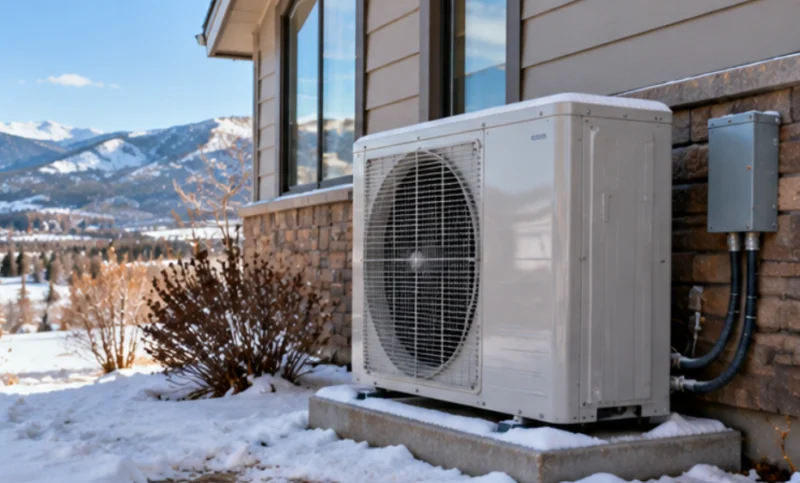
The outdoor unit needs adequate airflow, service clearance, stable support, and a location that accommodates winter conditions. Snowdrifts, roof ice, and poor drainage can interfere with operation or cause water from defrost cycles to freeze around the equipment. If your property has limited placement options, have the contractor assess clearances and drainage before deciding whether the proposed installation is practical.
Your Existing Heating System Makes Replacement Uneconomical
Replacing a reliable gas furnace before the end of its useful life may not always provide enough financial benefit to justify the expense. A dual-fuel system can let a heat pump handle much of the heating season while the furnace provides backup during colder conditions. Compare the cost of keeping your furnace, installing a heat pump, and upgrading to a new system before committing.
If you already have a heat pump that struggles to heat your Denver home, replacement may not be necessary. Restricted airflow, thermostat problems, refrigerant issues, or defrost-system faults can affect performance. Havana Solutions offers heat pump repair in Denver to help identify the cause before you invest in new equipment.
When Does a Dual-Fuel Heat Pump Make More Sense?
If your gas furnace is relatively new and operating reliably, removing it solely to install an all-electric heat pump may not be the most cost-effective decision. A dual-fuel system combines an electric heat pump with a gas furnace, allowing each to provide heat under suitable conditions.
The heat pump can handle much of the heating season, while the furnace provides additional heat when outdoor conditions or operating costs make that preferable. A properly configured thermostat or control system manages the changeover based on the selected operating strategy.
| Your home's situation | Option worth considering | Main reason |
|---|---|---|
| Working gas furnace with years of service left | Dual-fuel heat pump | Retains the furnace as backup |
| Home with suitable ducts and electrical capacity | Ducted cold-climate heat pump | One system can provide heating and cooling |
| Home without existing ductwork | Ductless heat pump | Avoids installing a complete duct network |
| Electrical upgrades are currently unaffordable | Keep or replace the existing heating system | Avoids an unplanned electrical project |
| High heating demand during very cold weather | Cold-climate heat pump with a planned backup | Accounts for low-temperature capacity |
The changeover temperature should not be guessed. It depends on the heat pump's performance, the furnace's efficiency, local energy prices, and the home's heating requirements. A contractor should explain the proposed control strategy and how backup heat will operate.
If your furnace is failing, compare the cost of replacing it with a furnace against installing a heat pump or dual-fuel system. Havana Solutions can help evaluate these options through its heating services in Denver.
Should You Choose a Heat Pump, Dual-Fuel System, or Gas Furnace?
The best heating system depends on your home's existing equipment, heating load, electrical capacity, and budget. A standalone heat pump may suit a home ready for an all-electric system, while a dual-fuel arrangement can preserve a working furnace. A gas furnace may remain a reasonable option when heat pump installation requires extensive upgrades.
| Heating option | Upfront cost considerations | Cold-weather heating | Best fit |
|---|---|---|---|
| Cold-climate heat pump | May require electrical or ductwork upgrades | Performance depends on the model and design | Homes suited to electric heating and cooling |
| Dual-fuel heat pump | Retains or incorporates a gas furnace | Furnace provides backup when needed | Homes with a serviceable furnace |
| Gas furnace | May avoid some heat pump-related electrical upgrades | Provides heat through fuel combustion | Homes where a furnace replacement is the more practical option |
Before selecting equipment, request a Manual J load calculation. This evaluates factors such as insulation, windows, air leakage, home layout, and outdoor design conditions to estimate the home's heating and cooling needs. Square footage alone is not enough to establish the correct system size.
How to Determine Whether Your Denver Home Is Ready for a Heat Pump
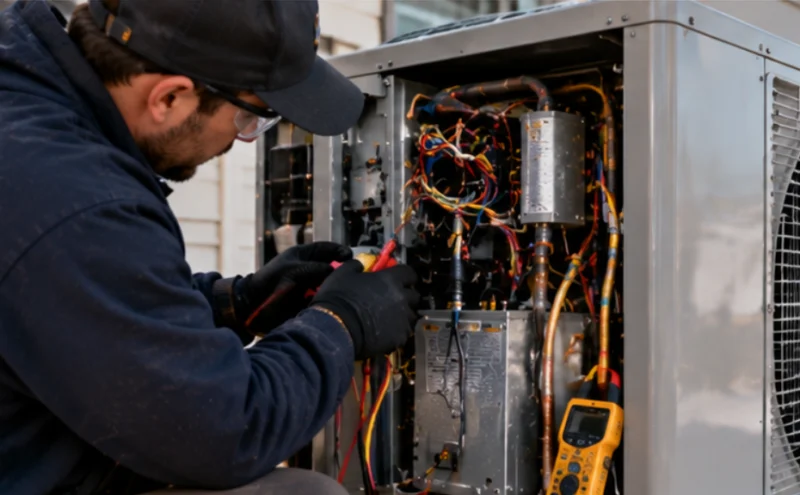
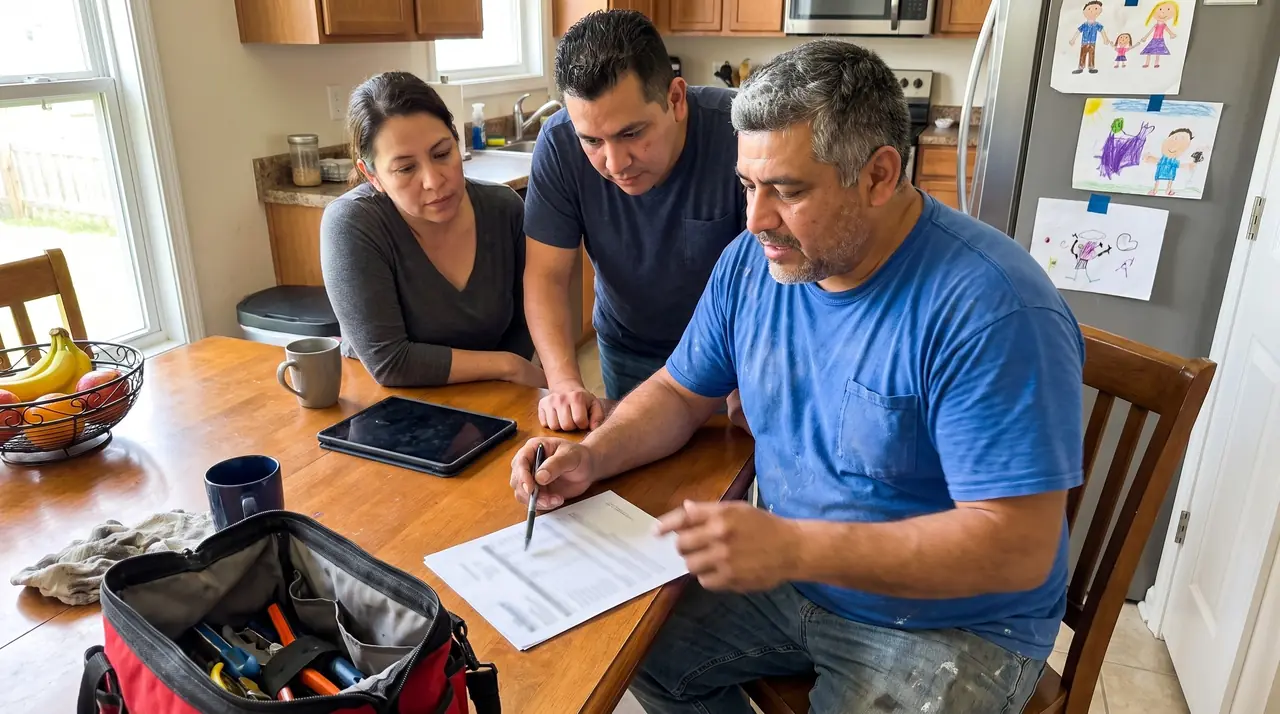
The best way to avoid choosing the wrong system is to evaluate the home's heating and cooling needs before selecting equipment. Square footage alone is not enough to determine the correct size. An HVAC contractor should perform a Manual J load calculation that considers insulation, windows, air leakage, orientation, and local outdoor design conditions. The results help establish the amount of heating and cooling the home requires.
The assessment should also cover:
- Heating capacity: Compare the home's calculated load with the heat pump's output at low outdoor temperatures.
- Duct performance: Check airflow, duct sizing, leakage, and return-air capacity.
- Electrical requirements: Confirm circuit, wiring, panel, and backup-heat needs.
- Outdoor placement: Check clearances, snow exposure, drainage, and service access.
- Backup strategy: Determine whether supplemental electric heat, a gas furnace, or another arrangement is appropriate.
- Installation costs: Include necessary ductwork and electrical modifications in the estimate.
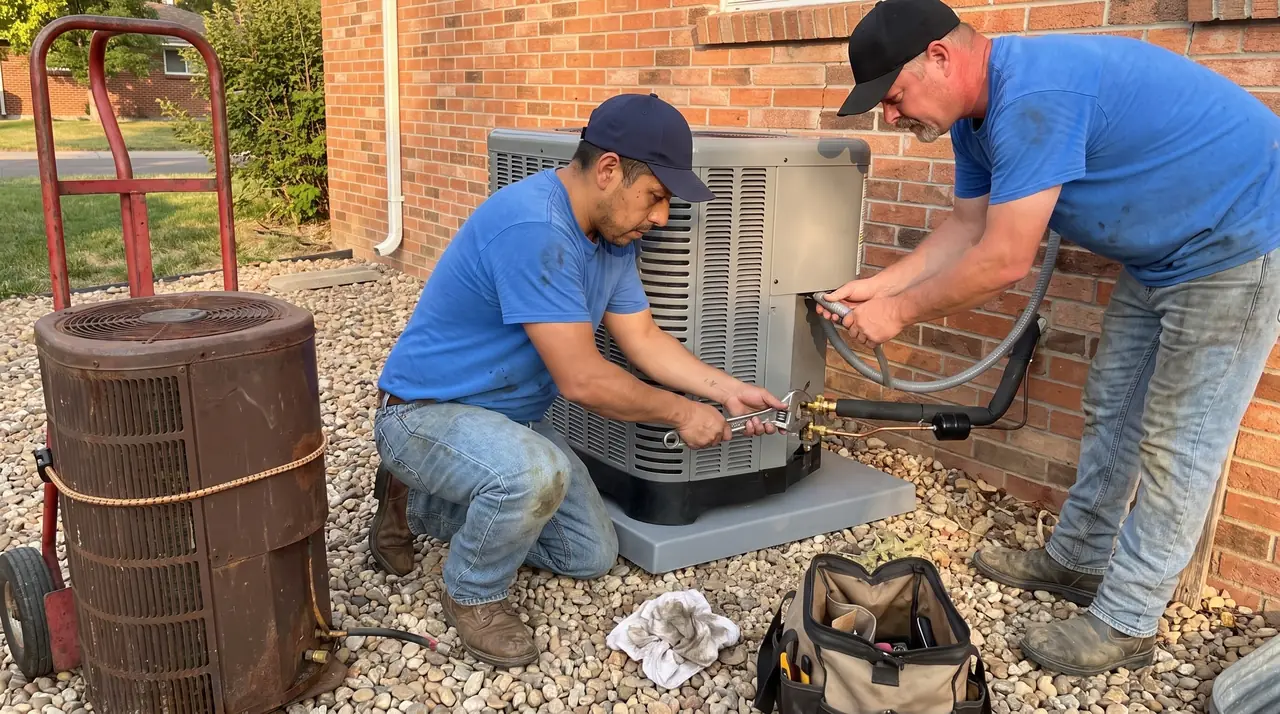
Request written options that explain the tradeoffs rather than a quote based only on the size of your current furnace. Havana Solutions offers cold-climate heat pump installation and replacement in Denver and can help you evaluate equipment choices for your home.
How Xcel Energy Rebates Affect the Decision
A heat pump that initially seems too expensive may become more affordable when an eligible utility incentive is included. Xcel Energy offers rebates for qualifying heat pump installations in its Colorado service territory, but eligibility depends on the current program rules, equipment, and installation requirements.
Before counting on a rebate, verify:
- Whether your home is served by Xcel Energy.
- Whether the proposed heat pump meets the current eligibility criteria.
- The incentive amount available when you install.
- Whether the installation must be completed by a participating or registered contractor.
- What documentation and application steps are required.
Rebates should inform the financial comparison, not determine the equipment choice on their own. A qualifying unit still needs to be appropriately sized and installed for the home.
Use Havana Solutions' Xcel Energy heat pump rebate calculator to estimate potential incentives. Confirm the final amount and program requirements before signing the installation agreement, since rebate terms can change.
Why Choose Havana Solutions for Heat Pump Installation in Denver?
Choosing a heat pump is easier when you understand what your home needs before equipment is ordered. Havana Solutions helps Denver-area homeowners compare heating and cooling options, evaluate cold-climate heat pump systems, and understand the installation requirements that can affect project cost.
If your current heat pump is underperforming, replacement may not be necessary. A professional diagnosis can identify whether the problem involves airflow, controls, refrigerant, or another component. Explore heat pump repair in Denver if your existing system is not heating properly.
For a new installation, ask about equipment performance in cold weather, ductwork and electrical requirements, backup heat, and available Xcel Energy incentives. Call Havana Solutions at (720) 659-2059 to discuss your home and determine which options make sense for your heating needs and budget.
Frequently Asked Questions
Will a heat pump keep my Denver home warm during a cold snap?
A properly selected cold-climate heat pump can provide heating during very cold weather, but capacity varies by model and outdoor temperature. Ask for performance data at your home's design temperature and confirm whether supplemental or backup heating is needed.
Do I have to remove my gas furnace to install a heat pump?
No. A dual-fuel system can combine a heat pump with an existing or replacement gas furnace. The heat pump handles suitable conditions, while the furnace provides backup according to the system's control strategy.
Will my existing ductwork work with a heat pump?
Possibly. A contractor should evaluate duct sizing, leakage, airflow, and return-air capacity. Some homes need targeted modifications rather than complete duct replacement, while severely restrictive systems may require more extensive work.
Does installing a heat pump always require an electrical panel upgrade?
No. The answer depends on your panel's available capacity and the electrical requirements of the selected equipment, including any backup heat strips. Have the electrical requirements assessed before finalizing the project budget.
How can I estimate the cost of a heat pump in Denver?
The total depends on equipment size, cold-weather performance, ductwork, electrical work, and installation complexity. Eligible Xcel Energy rebates may reduce the net cost. Request a written estimate that separates equipment and required upgrades, and verify the current incentive before relying on it.

Deivy, Owner of Havana Solutions
NATE Certified · EPA 608 Certified
Deivy founded Havana Solutions in 2022 and still works in the field, helping homeowners with AC, furnace and heat pump problems. He is NATE and EPA 608 certified and explains repair options clearly in English or Spanish.