Three HVAC quotes can leave you with three different brands, efficiency ratings, model numbers, and prices, yet very little idea which system actually fits your home. That is common, especially when you have never replaced an HVAC system before. The good news is that you do not need to become an equipment expert or memorize every manufacturer.
The better approach is to compare the system and installation, not just the logo on the equipment. Sizing, efficiency, ductwork, equipment type, installation quality, warranty, and the contractor’s ability to service the system later can have a much greater effect on your experience.
What Should You Look at Before Comparing HVAC Brands?
Start with your house rather than the equipment catalog. A system that performs well in one home can be poorly suited to another because heating and cooling loads, ductwork, insulation, windows, climate, and operating preferences are different. Before comparing brands, make sure each contractor is solving the same problem with appropriately sized equipment.
| What to Compare | Why It Matters |
|---|---|
| Equipment size | Determines whether the system can meet the home’s actual heating and cooling load |
| Efficiency rating | Helps estimate operating efficiency and affects equipment cost |
| Equipment type | Determines how the home produces heating and cooling |
| Ductwork condition | Can limit airflow even with new equipment |
| Installation scope | Shows what labor and modifications are included |
| Warranty | Determines what manufacturer and labor protection you receive |
| Contractor support | Affects future maintenance, repairs, and parts availability |
A useful quote should identify the specific equipment model, not simply say “high-efficiency AC” or “two-stage furnace.” Model numbers allow you to verify capacity, efficiency, features, and warranty information. If one contractor gives you detailed equipment information and another gives you only a brand and price, those proposals are not yet comparable.
Why Does HVAC Sizing Matter More Than the Brand?
The right HVAC system starts with determining how much heating and cooling your home actually needs. A contractor should evaluate factors such as square footage, insulation, windows, orientation, air leakage, ceiling height, and local design conditions instead of automatically replacing the existing equipment with the same size.
A proper Manual J load calculation is used to determine the home’s heating and cooling requirements. The result helps the contractor select equipment that can meet the load without being unnecessarily oversized.
Why Sizing Matters
- Oversized equipment: Can cycle too frequently and provide less consistent comfort.
- Undersized equipment: May struggle during extreme outdoor temperatures.
- Correctly sized equipment: Can run for appropriate cycles and better match the home’s demand.
- Changed homes: New insulation, windows, additions, or air sealing can change the required capacity.
The old unit’s size is not proof that the new unit should have the same capacity. If the previous system was oversized, replacing it with another unit of identical capacity simply repeats the original assumption. Ask each contractor how the proposed capacity was determined before comparing brands or prices.
Which HVAC Specifications Actually Matter?
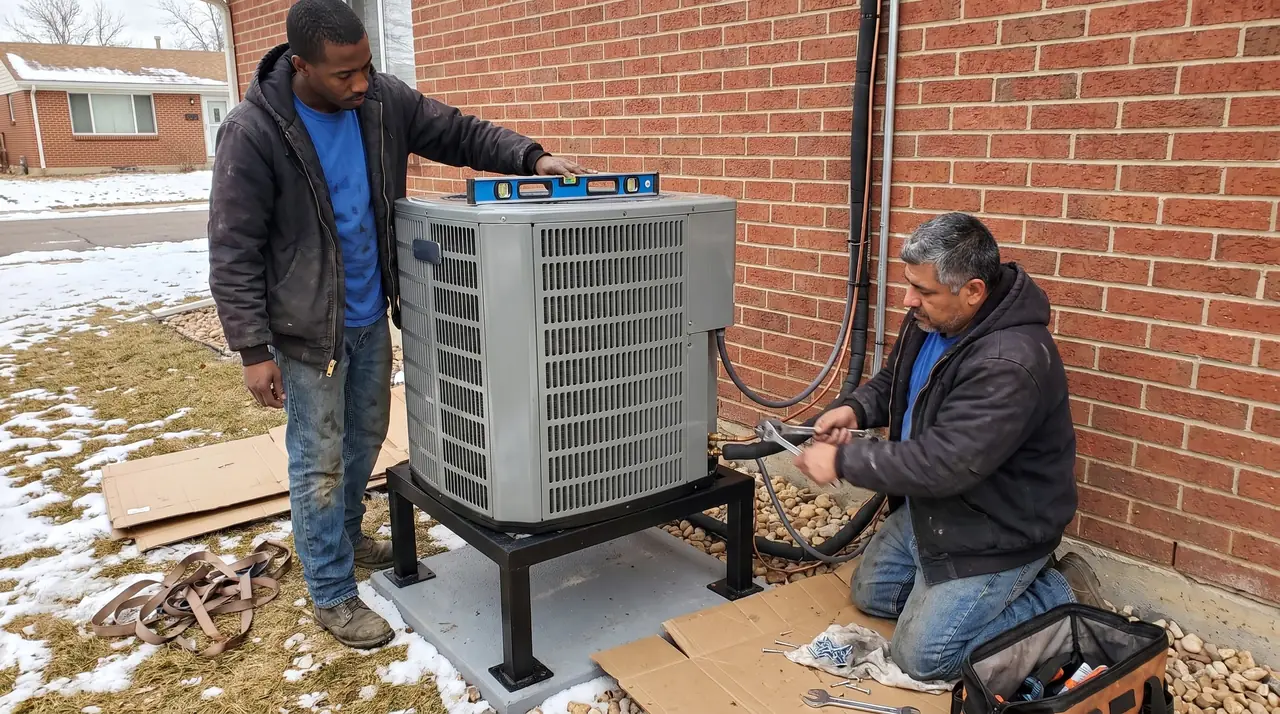
Once the HVAC system is correctly sized, the equipment specifications become much easier to compare. You do not need to chase the highest number on every rating label. Instead, look at the ratings that apply to the equipment you are buying and consider how the system will operate in your home.
| Rating / Specification | Applies To | What It Tells You |
|---|---|---|
| SEER2 | Air conditioners and heat pumps | Seasonal cooling efficiency |
| EER2 | ACs and heat pumps | Cooling efficiency under specific operating conditions |
| HSPF2 | Heat pumps | Seasonal heating efficiency |
| AFUE | Furnaces | Percentage of fuel converted into usable heat |
| Heating capacity | Furnaces and heat pumps | How much heat the equipment can deliver |
| Cooling capacity | ACs and heat pumps | How much cooling the equipment can provide |
Higher efficiency can reduce energy consumption, but it also usually increases the initial equipment price. Whether that additional cost makes sense depends on electricity and fuel rates, how frequently you use the system, available incentives, and how long you expect to own the home.
If you are considering a heat pump instead of a conventional AC and furnace combination, compare the heating performance as well as cooling efficiency. A heat pump is doing two jobs, so the heating capacity and cold-weather performance deserve attention alongside the cooling ratings.
How Should You Choose Between HVAC System Types?
The brand is only one decision. You also need to decide which type of system makes sense for your home’s layout, existing infrastructure, comfort priorities, and budget. The right equipment category can narrow the brand choices considerably and make the quotes easier to compare.
Conventional AC and Furnace
This familiar combination uses an air conditioner for cooling and a furnace for heating. It can make sense when the home already has suitable ductwork and the existing furnace is being replaced at the same time.
Ducted Heat Pump
A ducted heat pump provides both heating and cooling through the same distribution system. It can be an alternative to separate heating and cooling equipment, although cold-weather capacity, backup heat, electrical requirements, and operating costs should be evaluated for the specific home.
Two-Stage Equipment
Two-stage systems can operate at a lower capacity during milder conditions and use higher output when demand increases. Longer operating cycles can provide more consistent temperatures, but the additional equipment cost should be weighed against the expected comfort and efficiency benefits.
Variable-Speed Equipment
Variable-speed compressors and blowers can adjust output more precisely instead of operating only at full capacity. They can provide quieter, steadier operation, but they also involve more sophisticated controls and components that may affect purchase and future repair costs.
Match the System to Your Home
The best system type depends on what your home can support. Existing ductwork, electrical service, fuel availability, insulation, comfort expectations, and budget all matter. A contractor should explain why the proposed system fits those conditions rather than simply recommending the equipment they commonly install.
That is where a detailed proposal becomes useful. If one company recommends a heat pump and another recommends a conventional AC and furnace, do not compare the brands first. Ask both contractors to explain the expected heating performance, installation requirements, operating costs, and modifications needed for their proposed system.
How Much Should a New HVAC System Cost?
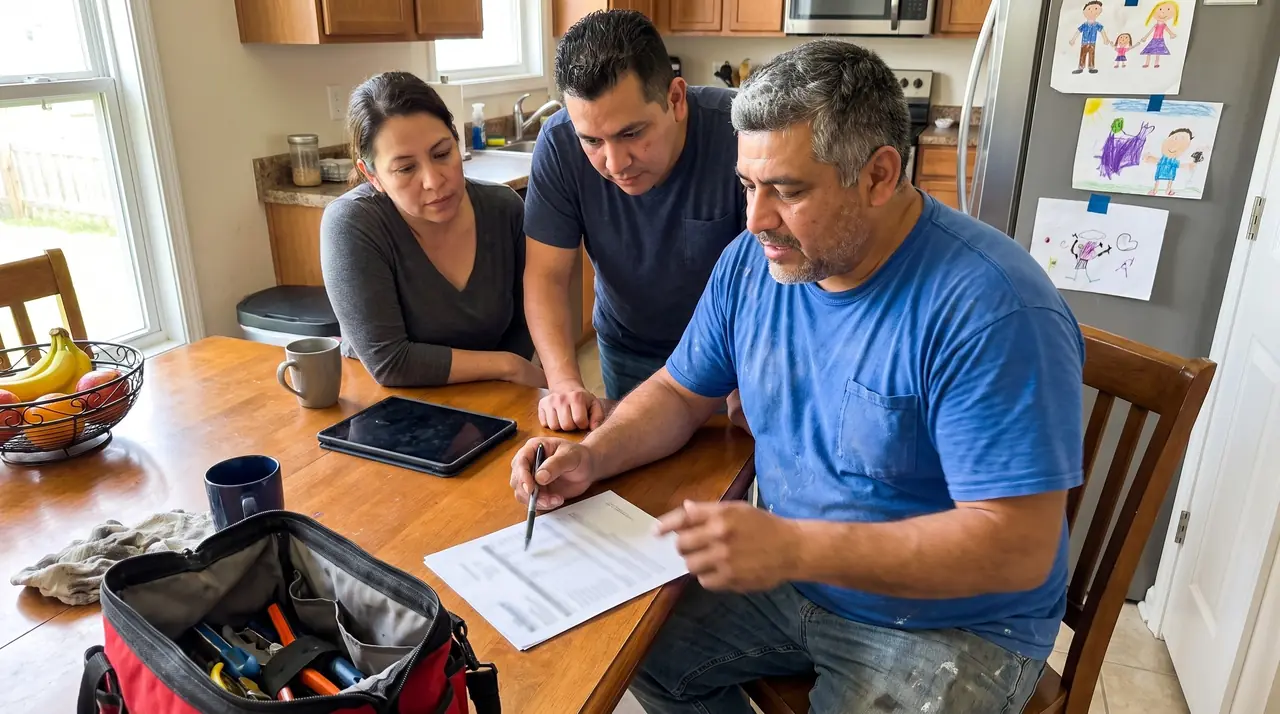
Price is important, but the cheapest quote is difficult to evaluate until you know exactly what it includes. A complete replacement may involve equipment, labor, refrigerant work, electrical changes, permits, duct modifications, removal of the old system, startup testing, and other site-specific work.
Broad Denver-area planning ranges include:
- Gas furnace replacement: approximately $2,500–$5,500
- Furnace and AC combination: approximately $12,100–$16,200
- Full HVAC replacement: approximately $8,000–$17,000
- Ducted heat pump installation: approximately $9,100–$17,000
These numbers are budgeting ranges rather than guaranteed prices for an Aurora home. The actual cost can change significantly based on equipment efficiency, capacity, electrical requirements, ductwork, accessibility, installation complexity, permits, and the amount of work required to bring the existing system up to current requirements.
When comparing quotes, ask whether each proposal includes the same scope. A $10,000 proposal and a $14,000 proposal may not represent a $4,000 difference in equipment. One may include electrical modifications, new line-set work, duct repairs, better controls, longer labor coverage, or more extensive commissioning.
What Should You Check About the Contractor and Installation?
Even equipment from the same manufacturer can produce different results depending on how it is selected, installed, adjusted, and commissioned. This is why the contractor should be evaluated alongside the equipment. Look for evidence that the company measures conditions, explains its recommendations, and documents the finished installation.
Before Choosing a Contractor, Ask About:
- Load calculation: Was the system sized using the home’s actual heating and cooling requirements?
- Airflow: Will airflow be measured and adjusted after installation?
- Refrigerant work: Will the system be properly evacuated, charged, and checked?
- Ductwork: Has the existing duct system been evaluated for restrictions or leakage?
- Electrical requirements: Are disconnects, wiring, breakers, and available capacity included?
- Commissioning: Will startup readings be documented after the equipment is operating?
For an AC replacement, the installation process should include more than connecting the new equipment and checking whether cold air comes from the registers. Proper AC installation includes preparation, refrigerant procedures, airflow verification, electrical checks, system startup, and confirmation that the equipment is operating according to its specifications.
If you are moving from a traditional AC and furnace to a heat pump, the installation scope becomes even more important. A professional heat pump installation should account for heating operation, backup heat where applicable, controls, electrical requirements, and the equipment’s expected performance in local winter conditions.
What Should Be on Your Final HVAC Quote?
Once you have narrowed down the equipment and contractors, the final comparison should happen on paper. A detailed proposal gives you something concrete to compare and reduces the chance of discovering that an important part of the installation was excluded after the project begins.
| Quote Item | What You Should See |
|---|---|
| Equipment | Manufacturer and complete model numbers |
| Capacity | Heating and cooling capacity |
| Efficiency | Applicable SEER2, EER2, HSPF2, or AFUE ratings |
| Installation | Clear description of labor and included work |
| Ductwork | Modifications, repairs, or exclusions |
| Electrical | Required electrical work and whether it is included |
| Refrigerant | Line-set and refrigerant-related work |
| Warranty | Manufacturer and contractor labor coverage |
| Permits | Which permits and inspection fees are included |
| Removal | Disposal of existing equipment |
| Startup | Testing and commissioning included |
| Total price | Complete installed price and payment terms |
Do not hesitate to ask why a contractor selected a particular brand or model. A useful answer should connect the equipment to your home rather than simply saying that it is a “premium” or “reliable” brand. You should understand why the capacity, efficiency, system type, and features were selected.
Why Choose Havana Solutions for Your New HVAC System?
Choosing a new HVAC system starts with understanding what your home actually needs. Havana Solutions serves Aurora homeowners with NATE and EPA 608 certified technicians who can evaluate the existing system, explain the available options, and help you compare equipment based on the home rather than the brand name.
The installation itself matters just as much as the equipment selected. Whether you are replacing an AC system, a furnace, or considering a heat pump, the goal is to choose equipment that fits the home and install it correctly from the start.
If you are comparing systems and still are not sure which option makes sense, call Havana Solutions at (720) 659-2059 or contact us to discuss the equipment, installation requirements, warranties, and next steps before you decide.
Frequently Asked Questions
Is the most expensive HVAC brand automatically the best choice?
No. Equipment should be evaluated based on sizing, efficiency, features, warranty, installation requirements, parts availability, and the contractor’s ability to service it. A more expensive system is not automatically better suited to your home.
Should I replace my HVAC system with the same brand I already have?
Not necessarily. Existing equipment can provide useful information about your home’s needs, but the new system should be selected based on current load requirements, equipment compatibility, efficiency, and the condition of the existing ductwork and electrical system.
Is a heat pump better than an AC and furnace?
They are different system approaches rather than a universal better-or-worse choice. A heat pump provides heating and cooling from one system, while an AC and furnace combination uses separate equipment. Your climate, energy costs, electrical service, comfort requirements, and existing infrastructure should guide the comparison.
How many HVAC quotes should I get?
Getting multiple detailed proposals can help you compare equipment and installation scope. The useful comparison is not simply three final prices. Make sure each contractor provides enough information about sizing, model numbers, efficiency, installation work, warranties, and exclusions to make the proposals genuinely comparable.
What is the biggest mistake to avoid when choosing a new HVAC system?
Choosing based almost entirely on brand name or price. The equipment must be properly sized, compatible with the home, correctly installed, and commissioned. A familiar logo cannot compensate for poor sizing, restricted ductwork, inadequate airflow, or incomplete installation.

Deivy, Owner of Havana Solutions
NATE Certified · EPA 608 Certified
Deivy founded Havana Solutions in 2022 and still works in the field, helping homeowners with AC, furnace and heat pump problems. He is NATE and EPA 608 certified and explains repair options clearly in English or Spanish.